
The Potato PC Video Editing Guide: Finish Edits on a Low-End Laptop Without the Lag
Editing on a low-end laptop and tired of stutters, crashes, and slow exports? Use a quick decision table to choose offline tools, browser editors, or cloud-assisted workflows, then finish a clean rough cut fast.

TL;DR – Editing on a low-end laptop
If your laptop has 4GB RAM or less and editing feels impossible, the fastest ways to finish videos are:
-
Use lightweight offline cutters for basic trims
-
Avoid browser editors for long timelines
-
Switch to cloud-assisted editing when preview lag is the blocker
You hit play and the preview stutters. The audio slips. Dragging the timeline feels like pushing mud. The fan spins up, the cursor turns into a wheel, and sometimes the editor just freezes or crashes.
If you're editing on an older laptop, a common setup is 4GB RAM or lower, integrated graphics, and maybe even an HDD. On that kind of machine, this isn't you "doing it wrong", it's a mismatch between modern video files and what real-time preview asks your computer to do.
This guide is a simple goal: help you finish the edit and export on a low-end laptop, without spending your whole session fighting playback.
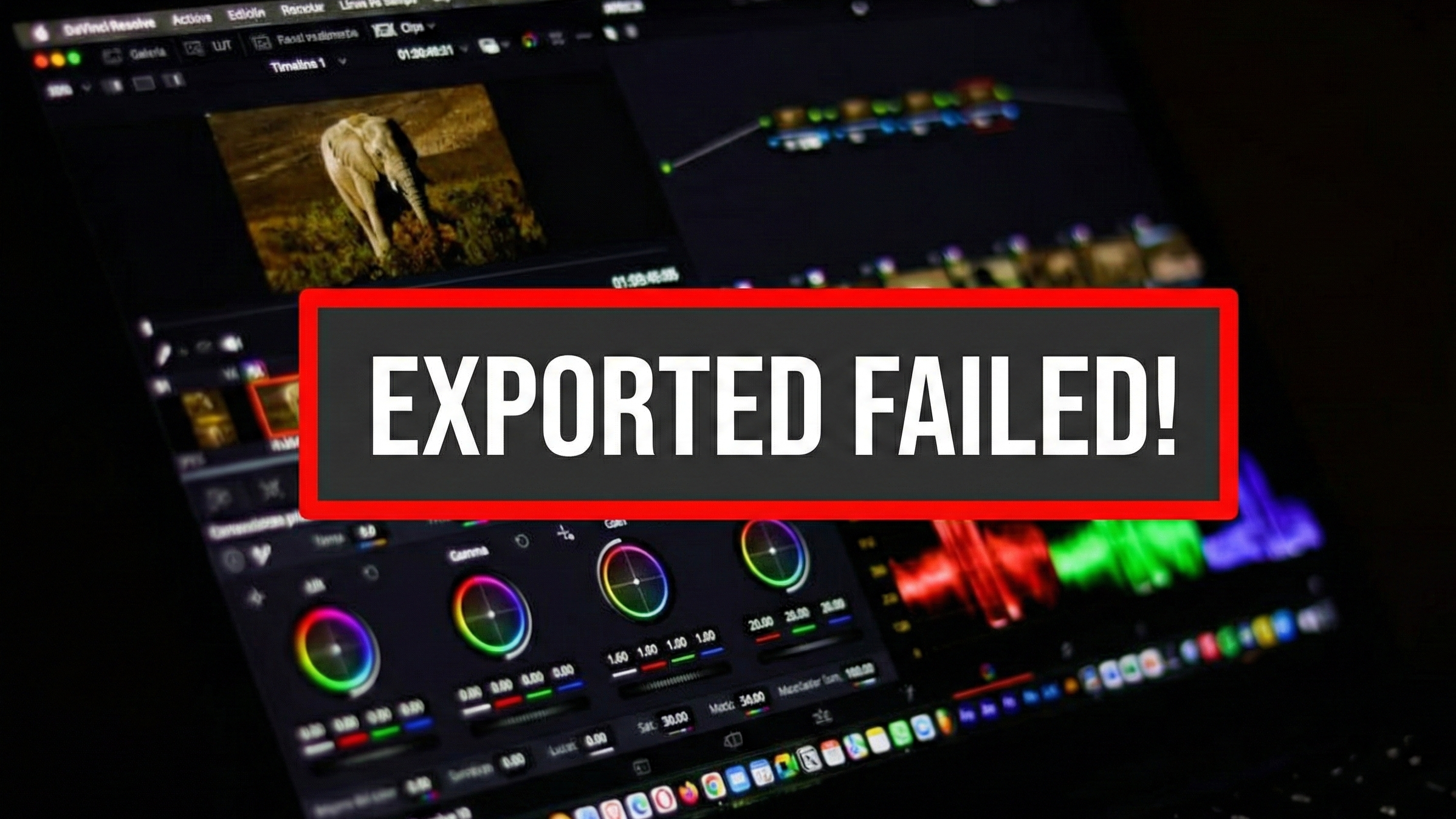
Video editor export failed on a low-end laptop, showing a stalled timeline and performance issues during video editing
Best video editing options for low-end laptops (4GB RAM or less)
If your laptop struggles with video editing, start by finding the row that sounds most like your situation. You can dive into the details later.
| Best for | Typical examples | Trade-offs / risks | | You’re on very low RAM and mostly need basic cuts (trim, split, stitch) | Shotcut Avidemux, LosslessCut, basic system editors | Limited features; fewer effects; heavy codecs still lag; exports can be slow | | You want no installation, quick edits, and your projects are short and light | Clipchamp, Canva Video, Kapwing, VEED | Unpredictable on low RAM; browser tabs eat memory; long timelines become painful | | Your biggest problem is preview lag / scrubbing freezes, and upload is acceptable | Cloud-assisted or agentic workflows (including Sparki), cloud-based render tools | Requires stable internet; upload time; privacy or data-sensitivity considerations |
Rule of thumb
-
If you just need to finish the cut on a weak machine → start with the first row
-
If you value speed and convenience for short projects → the second row
-
If lag is what’s killing you, not the edit itself → the third row
Next, pick the path that matches your constraint. The goal is to finish the edit , not to force a full pro timeline onto a weak machine.
Three realistic paths to finishing edits
There's no single best editor. There's the path that fits your constraints: offline needs, privacy, internet reliability, and how much preview scrubbing your workflow demands.
Path A: Lightweight offline editors (simple, local, manual)
Pick this if you must work offline, or your footage can't be uploaded. Tools that are often friendlier to older laptops for basic cutting:
-
Shotcut
-
OpenShot
-
VSDC Free Video Editor (Windows)
-
Avidemux
Best for:
-
Trim, stitch, basic titles
-
Short projects
-
You can tolerate slower preview and more manual cleanup
Gets painful when:
-
You need tight pacing edits (lots of short cuts)
-
You rely on constant scrubbing to find moments
-
You're working with heavy phone footage (4K, HEVC)
Path B: Browser editors (fast to start, performance varies)
Browser tools can be great for:
-
Short, template-style videos
-
Social formats, captions, resizing
-
Simple assemblies where you don't scrub constantly
Common choices:
-
Canva Video
-
Kapwing
-
VEED
What to expect on low-end machines:
-
If your browser already struggles, adding a timeline can push it over the edge.
-
The experience is "spiky": fine on one project, awful on another.
-
It usually gets worse with longer videos and more cuts.
Path C: Cloud-assisted editing (less strain on your laptop)
This path is for people whose core problem is: "I can't scrub and preview without lag".
The idea is straightforward:
-
Do less heavy work on your laptop.
-
Create a draft you can review, then refine with small instructions.
-
Spend less time dragging the timeline back and forth.
Cloud-assisted workflows aren't magic, and they still depend on your internet. But they can change the workload so your laptop is more "review and approve" than "decode and render in real time".
A low-end workflow that actually finishes videos
If you only take one thing from this guide, take this: don't start by importing everything and scrubbing for perfection. Start small and get a draft you can judge.
Step 1: Start with one core clip
Pick the segment that contains the main message. Don't drag in every camera angle and B-roll yet.
Step 2: Get a rough cut without heavy scrubbing
If you're using a tool that supports assisted editing, start with prompts like:
-
"Remove long pauses and dead air"
-
"Remove filler words and repeated phrases"
-
"Give me a rough cut with a clear opening, key points, and conclusion"
If you're editing manually, the equivalent is: do a first-pass cut with wide strokes, not frame-perfect timing.
Step 3: Review like an editor
Ask:
-
Is the main point clear early?
-
Does anything drag?
-
Is anything confusing or missing?
-
Would the viewer bail in the first 10–20 seconds?
Step 4: Do targeted iterations
Pick two or three:
-
Cut anything that doesn't support the main point
-
Tighten transitions between sections
This is how you stay productive on slow hardware: fewer "hunt and scrub" loops, more deliberate passes.
Why low-end laptops lag so hard in video editing
Video editing feels brutal on older machines for three reasons. You don't need the internals, just the cause-and-effect.
1. Online video editor doesn't mean "the cloud does everything"
A browser-based editor still needs your laptop to do a lot of the "instant" stuff: drawing the preview, keeping the timeline responsive, and showing effects.
Many web editors rely on web graphics tech like WebGL, which can use your device's hardware acceleration to render what you see. That's great on decent hardware, but on low-end laptops it can become the bottleneck fast.
So you can end up with a weird result: the tool is "online", but your laptop is still the one struggling to keep the preview smooth.
2. Browsers can be memory-hungry, and low RAM makes everything unpredictable
Chrome (and other Chromium-based browsers) are built to be stable and secure, and one way they do that is by splitting work across multiple processes. In practice, that often means each tab and feature carries its own memory cost, and those costs add up.
On a low-end machine, once memory gets tight, the system starts leaning on the disk just to stay responsive. If the disk is slow, the computer can feel like it "locks up". This is why browser editors tend to be fine for short, light projects, and suddenly miserable for long, cut-heavy work.
A useful reality check: even for a browser editor like Clipchamp, Microsoft recommends at least 8GB RAM, and says 16GB is better for a smooth experience. That's a strong signal that "runs in the browser" still depends heavily on your local resources.

Low-end laptop CPU overheating and throttling while exporting a video
3. Modern video formats are optimized for small files, not easy editing
Most phone footage is compressed (H.264, HEVC). Compression is great for storage, but it means your computer has to do extra work just to play the file. On older CPUs or weak hardware acceleration, smooth scrubbing and real-time preview can be harder than people expect.
That's why "just find a lighter editor" often disappoints. The main pain is the workload: decoding modern footage while keeping a timeline responsive.
Where Sparki fits
If your biggest blocker is "preview lag makes editing impossible", Sparki is designed for a workflow where your laptop does less heavy lifting and you guide edits more through intent, then review the result.
It tends to fit best when:
-
Your machine can't handle long, scrub-heavy timelines.
-
You want a reviewable draft quickly, then refine.
-
Uploading is acceptable, and your footage isn't strictly offline/secret.
It's not a fit when:
-
You must work fully offline.
-
Your internet is too unreliable for uploads.
-
The footage cannot leave your device.
https://sparki.io/blog/potato-pc-video-editing-guide-low-end-laptop