
Edit Like Lilly Singh: The Expectation vs Reality Comedy Short
A dog barks at 3 AM. The owner imagines a heroic K-9 defense — then the actual reality arrives. In 81 seconds of 'Jurassic Bark,' Lilly Singh uses silence as a punchline delivery mechanism, the dog as a full co-star, and a scene-within-a-scene structure that most comedy creators never discover.
14.9M
Subscribers
YouTube Shorts
Platform
~81 sec
Avg Length
Comedy Skit
Primary Format
The Signature Video
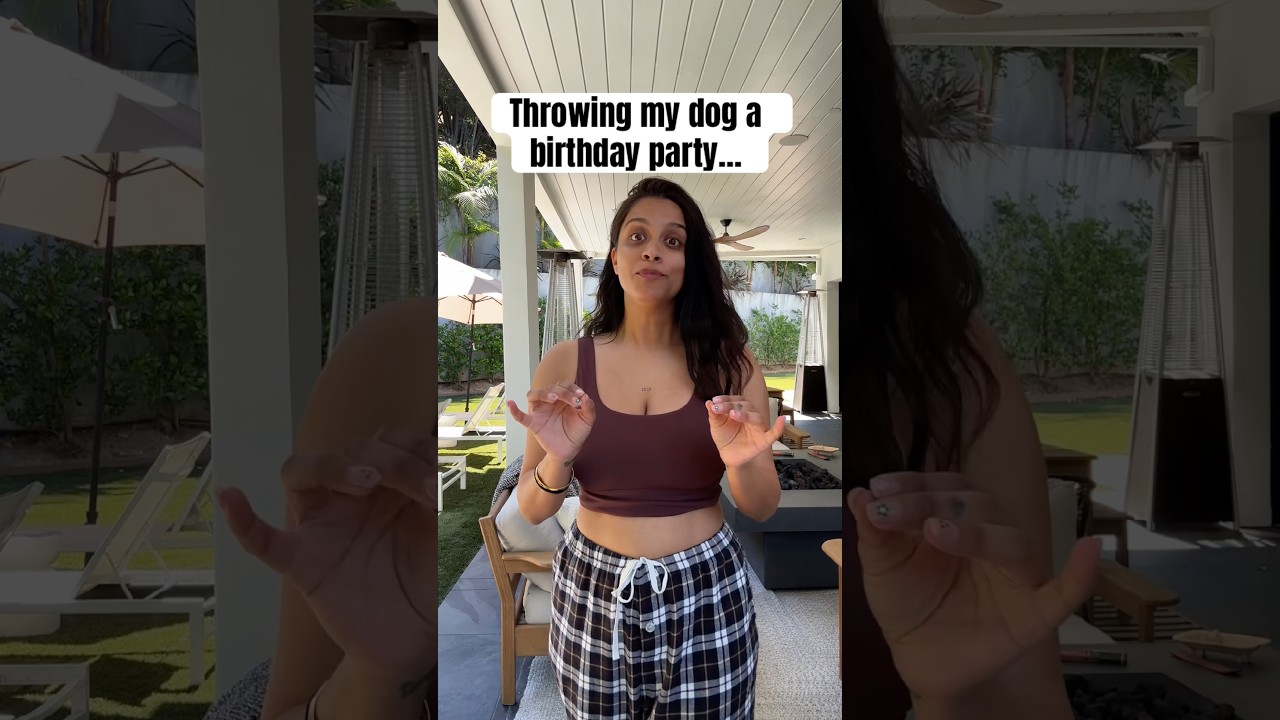
Jurassic Bark — the 3 AM dog comedy skit
Published June 2026 · 81 seconds
2,100,000+
Views
120,000+
Likes
2,400+
Comments
Why This Style Is Worth Cloning
This video works because of the gap between what the character expects and what actually happens. The setup is universal — a dog barking at 3 AM — and the expectation is cinematic: a full K-9 defense sequence with dramatic music. The actual reality is immediate, mundane, and crushingly funny. The comedy lives entirely in the distance between those two versions. The longer and more elaborate the imagined sequence, the harder the real version lands when it arrives.
The second structural engine is silence as a weapon. The punchline is not delivered through words or sound effects — it is delivered through a held beat of silence after the reveal. Lilly Singh understands that comedy audiences need a half-second of empty space to process what just happened before they can laugh. Cutting immediately to the next beat eliminates that processing window. The silence is not dead air — it is the punchline itself.
The Editing Recipe, Second By Second
The 81-second skit runs a tight three-act structure: relatable setup, elaborated expectation, deflating reality — with silence doing the heaviest lifting.
- 0:00 – 0:15
Act 1 — The Relatable Setup
Dog barks at 3 AM. The creator wakes up, looks around, and processes the situation. This section establishes the familiar scenario that the audience has personally experienced — no one needs an explanation. The comedy contract is signed in the first 10 seconds: this is a universally understood problem.
Editing technique: Universal scenario hook, slow-pace contrast setup
- 0:16 – 0:55
Act 2 — The Elaborated Expectation
The 'Jurassic Bark' sequence: the imagined K-9 defense scenario with dramatic music, heroic dog framing, and full cinematic treatment. The dog becomes a full co-star — not a prop. Giving the dog its own character arc inside the expectation makes the scenario funnier than any purely human fantasy would be.
Editing technique: Scene-within-a-scene, dog-as-co-star elevation, cinematic treatment
- 0:56 – 1:21
Act 3 — The Deflating Reality + Silence
The real reason the dog was barking arrives. It is the most mundane possible explanation. The reveal is shown, not narrated. Then: silence. A held beat of empty audio and still frame. This is the punchline delivery mechanism — not a sound effect, not a word, not a reaction shot. The silence itself is the joke.
Editing technique: Silence-as-punchline, mundane-reveal deflation, processing beat
What Makes This Style Work
Six techniques that define the Lilly Singh comedy formula — each one applicable to any sketch creator regardless of topic.
Expectation vs Reality Structure
The comedy gap lives between what a character imagines will happen and what actually does. The wider and more elaborate the expectation, the funnier the deflation. Build the fantasy longer than feels comfortable — the extra seconds of cinematic treatment are an investment in the punchline yield. The reality section can be one second; the expectation can be forty.
Silence as the Punchline Delivery Mechanism
After the reveal or the punchline beat, hold a half-second of silence before cutting or reacting. The audience needs processing time to register what happened before they can respond with laughter. Cutting immediately to the next beat eliminates that window. Silence is not dead air in comedy — it is the mechanism through which the punchline actually lands.
The Dog (or Pet) as Full Co-Star
Pets produce involuntary audience engagement — a physiological scroll-stop response. Elevating the pet from background prop to active character with its own arc multiplies this effect. The dog in 'Jurassic Bark' has a character motivation, a cinematic moment, and a reveal. Any recurring animal in a comedy Short should have at least one decision-point in the story.
Scene-Within-a-Scene Escalation
The expectation sequence in Act 2 is a complete mini-movie inside the larger video — different camera treatment, different music, different pacing, different acting style. Using a visually distinct treatment for the 'imagined' section makes the reality cut back more jarring and therefore funnier. Signal the transition with a deliberate visual or audio shift.
Universal Scenario as Entry Point
The setup scenario must be universally recognizable — a dog barking at night, not a specific event that requires context. The comedy contract depends on the audience signing on before the escalation begins. If they need 20 seconds to understand the premise, the escalation arrives too late. Universal setups give you maximum time to build the expectation sequence.
Deliberate Pacing Contrast
Open slowly, matching the energy of the relatable scenario (groggy, half-awake). Escalate the rhythm dramatically in the expectation sequence. Slow again for the reality reveal and silence beat. The pacing variation between the three acts is itself comedic — the body modulates energy the way a laugh track used to, without any laugh track.
How To Replicate This Style With Sparki
Three steps from script concept to a finished Lilly Singh-style comedy Short.
- 1
Add The Reference Short
Paste the YouTube Shorts link. Sparki reads the expectation-vs-reality structure, the silence beat placement, the scene-within-a-scene visual treatment and the dog co-star elevation as a style recipe.
- 2
Let Sparki Map The Recipe
Sparki extracts the three-act arc, the punchline silence duration, the cinematic treatment contrast between expectation and reality, and the universal-scenario setup logic — then turns it into an editing blueprint for your own comedy footage.
- 3
Apply It To Your Footage
Upload your sketch footage. Sparki assembles it to the same rhythm — relatable setup, elaborated expectation, deflating reality with silence — and prepares the file for Shorts export.
More From This Channel
More Shorts that use the same expectation-vs-reality comedy structure.



Who Should Copy This Style
The expectation-vs-reality comedy formula works for any creator willing to commit to a longer expectation sequence than feels comfortable.
Sketch & Comedy Creators
Any creator scripting a comedy Short can use the expectation-vs-reality structure as a reliable framework. The silence beat placement and scene-within-a-scene treatment are universally applicable to any relatable scenario — parenting, pets, relationships, work, fitness.
Pet Content Creators
The dog-as-co-star elevation technique applies to any pet creator: give your animal at least one decision-point in the story, not just a cutaway. A pet with an apparent motivation generates dramatically more engagement than a pet as a background prop.
Lifestyle & Relatable Content Creators
The universal scenario entry point means any widely experienced situation is a valid comedy setup. The structure doesn't require professional acting or production — the expectation sequence just needs to be more cinematic than the reality, which is achievable with any phone camera and a deliberate lighting change.
Lilly Singh Editing Style FAQ
Clone This Editing Style In Minutes
Drop in a Lilly Singh Short as the reference, upload your own comedy sketch footage, and let Sparki assemble the expectation-vs-reality arc with silence beat timing automatically.
Try Copy Style