
How Bayashi TV Builds ASMR Food Shorts Without Music

36.4M subscribers, zero music tracks. Every chop, sizzle and syrup pour is the beat. The camera locks still so the edit can be relentless — 0.5-second cuts during prep, then a lingering slow-motion reveal that pays off the curiosity built in the first frame.

Bayashi TV YouTube Shorts banner showing chicken-inside-potato Russian Doll food preparation

Or start from one of Bayashi TV's own videos

36.4M

Subscribers

YouTube Shorts

Platform

~39 sec

Avg Length

ASMR Food

Primary Format

Bayashi TV Editing Style Example

Chicken inside potato — the Russian Doll recipe

Published June 13, 2026 · 39 seconds

6,506,216

Views

225,269

Likes

1,000

Comments

Why This Edit Holds Attention

This video works because it bridges the mundane and the extraordinary. It opens with a universal human moment — a creator in pajamas scrolling through a phone at night — then pivots to 'chef mode' via a sound cue rather than a visual cut. The sizzle hits before the image changes, priming the viewer's brain a split second before the scene does. That audio-led cut is the single most important technique in the video: it makes the transition feel inevitable rather than edited.

The second engine is the open loop. Hollowing out a potato and hiding chicken inside it creates a question — what is going inside that potato? — that the video never answers until the final frame. Every 0.5-second jump cut during the preparation phase reveals only the next step, never the result. By second 32 the viewer has been waiting for the reveal for 26 seconds. The slow-motion pull-apart that follows isn't just satisfying — it's a physiological release from the tension that was built systematically from the first frame.

Bayashi TV Video Editing Breakdown

The 39-second clip follows a 'call to action' arc: the call is internal late-night hunger, and the action is a technically complex culinary project with a hidden surprise inside. Apply a reference's fast-cut rhythm to your cooking clips; adjust playback speed only where the process stays clear.

  1. 0:00 – 0:06

    Act 1 — The Relatable Hook

    The video opens with the creator in pajamas scrolling through a phone, watching a calm rain video. The transition from tranquility to aggressive frying sounds creates a 'wake-up' moment for both creator and viewer, signaling that the energy is about to shift dramatically.

    Sound drives the cut, not visuals. The sizzle hits the audio track before the image changes, priming the viewer's brain a split second before the scene does. This audio-first editing technique makes the transition feel inevitable — a key reason this style is so effective at stopping the scroll.

    Editing technique: Audio-first scene pivot, relatable opening

  2. 0:07 – 0:15

    Act 2 — The Preparation Phase

    Rapid-fire sequences show potatoes being hollowed and chicken being deboned. The 'Russian Doll' method of hiding one protein inside another builds a narrative of curiosity. By showing what goes in without showing what comes out, the video holds the viewer hostage to their own need to know.

    The 'mystery' element of a hollow potato creates an open loop that demands resolution. Every cut reveals only the next step — never the final result — sustaining curiosity through the entire middle section.

    Editing technique: Jump cuts every 0.5–1s, open loop mystery ingredient

  3. 0:16 – 0:24

    Act 3 — The Process Montage

    Cooking stages split between air-frying (internal doneness) and deep-frying (external texture). This technical detail adds a layer of expertise, making the recipe feel like a professional secret rather than a standard home meal. Black gloves worn throughout keep focus on the food by providing a neutral background.

    The camera remains completely static throughout. With cuts happening every 0.5 seconds, any camera movement would cause viewer disorientation. By keeping the frame steady, the editor can make cuts more aggressive without losing the audience's spatial orientation. Static camera equals editorial freedom.

    Editing technique: Static camera, percussive ASMR-only audio, black gloves

  4. 0:25 – 0:39

    Act 4 — The Sensory Climax

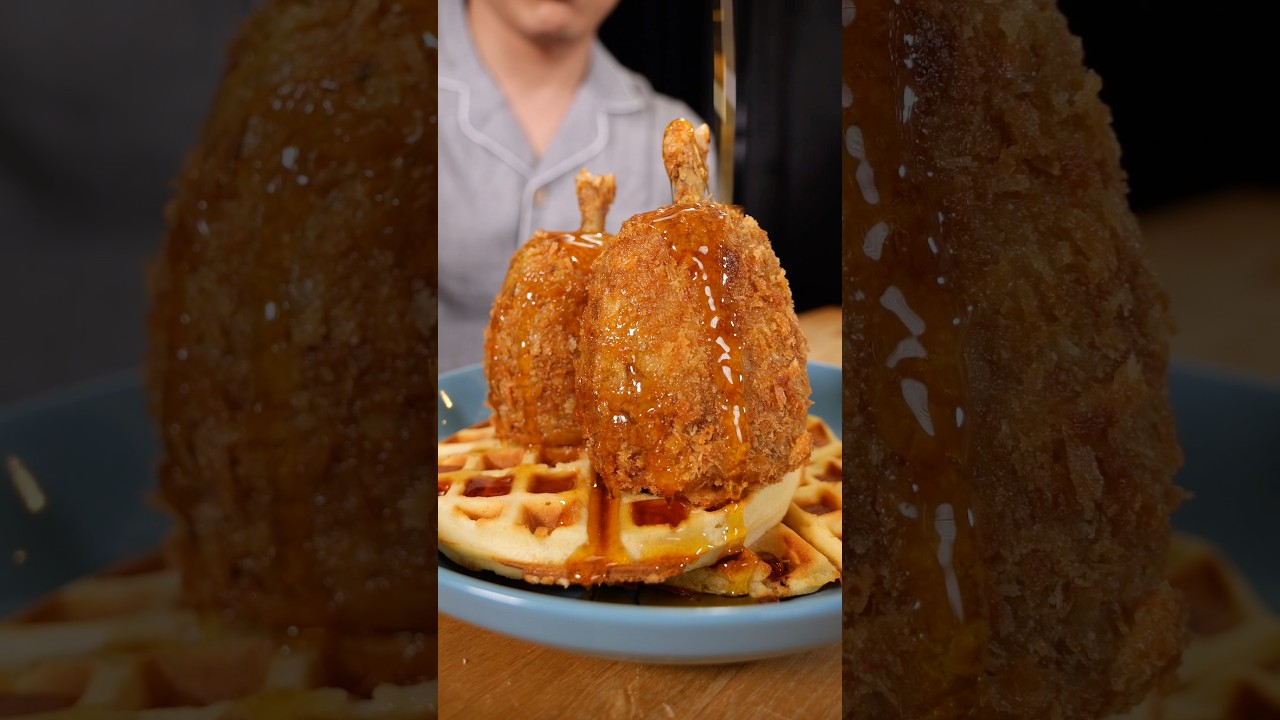
    High-speed waffle making leads into the money shot. A heavy pour of syrup over crispy textures under high-key lighting provides the ultimate visual payoff. At second 32, the pace intentionally slows. After relentless fast cuts, the lingering slow-motion pull-apart becomes the emotional release the viewer has been waiting for since second zero.

    Steam rising from the center signals freshness and heat. Breaking the food open to reveal the hidden chicken inside the potato provides satisfying resolution to the curiosity established in the first ten seconds — rewarding the viewer for staying until the end. The 'money shot' is staged: slow it down, light it warm, and let the steam do the work.

    Editing technique: Speed ramp to slow-mo, money shot reveal, steam payoff

Why Bayashi TV's Editing Style Works

Six techniques that define the Bayashi TV formula — each one engineered for global audiences without a single word of dialogue.

ASMR-Only Sound Design

There is no background music — only organic kitchen sounds. Every chop, splash, sizzle and crinkle is the percussive beat. This creates a Pavlovian response where the viewer begins to anticipate the next cut based on the audio rhythm. It also transcends language barriers, making the content effective for global audiences regardless of the creator's native language.

Variable Speed Structure

Two deliberate speeds: ruthless 0.5-second jump cuts during the preparation phase skip the boring parts (peeling, washing, chopping); a slow-motion linger at the reveal lets the viewer exhale. The contrast between the two speeds makes both feel more extreme than either would alone. Fast without slow feels chaotic; slow without fast feels boring.

Open Loop Mystery Ingredient

The 'Russian Doll' technique hides one ingredient inside another — chicken inside a hollow potato — creating a question that the video refuses to answer until the final seconds. Every cut in the middle section reveals only the next preparation step, never the result. By the time the reveal arrives, the viewer has been holding a mental open loop for 25+ seconds.

Faceless but Personal

The creator's face never appears, yet the video feels deeply personal. The pajama hook establishes a human being with a late-night craving. Black-gloved hands provide a consistent visual identity that is recognizable across videos. The 'faceless but personal' aesthetic removes any language or cultural barrier — the personality comes through the food and the hands, not the face.

Static Camera Editorial Freedom

With cuts every 0.5 seconds, any camera movement would cause motion sickness. The camera stays locked throughout the preparation phase, giving the editor total freedom to be aggressive with the cut points. Static camera is not laziness — it is a deliberate technique that makes the edit more dynamic, not less.

High-Key Warm Lighting + Money Shot

A high-key lighting setup eliminates harsh shadows and emphasizes golden-brown frying tones — colors psychologically associated with comfort and hunger. Close-up macro shots fill the frame with the subject, removing all distractions. The final money shot is staged: slow motion, steam rising, pull-apart texture reveal under warm light. This single frame is planned from the first shot.

More Bayashi TV Editing Examples

Compare more Shorts from the channel to see how percussive food sounds, close-up actions and rapid tasting reactions repeat without background music.

Who Bayashi TV's Editing Style Works For

The ASMR food formula works for any creator who films a cooking process and is willing to cut the music entirely.

Food & Recipe Creators

Any creator filming a cooking process can use the variable-speed structure and ASMR-only audio to transform a standard recipe video into a retention machine. The open loop mystery ingredient technique works with any hidden element — stuffed proteins, surprise fillings, concealed sauces revealed at the end.

Faceless Content Creators

The Bayashi TV formula proves that a creator's face is optional. The personality comes through the hands, the technique and the sound design. For creators who prefer to stay behind the camera, this style builds a recognizable identity — black gloves, static macro shots, no voiceover — that audiences follow across videos.

Global Audience Creators

By replacing music with kitchen ASMR and removing all dialogue, the format is fully language-agnostic. The content performs equally on any platform in any country. For creators targeting international growth, the Bayashi TV formula is the most replicable language-free content structure in food video.

Small Food Businesses

A fixed camera, clean preparation sounds and one finished-dish payoff let a bakery, food stall or restaurant show how an item is made without needing a presenter or voiceover.

Related Creator Editing Styles

Compare how other creators pace, frame and finish their videos.

Bayashi TV Editing Style FAQ

Removing music forces the viewer to focus on ingredient textures and preparation sounds. High-fidelity microphones capture the crispness of panko breading, the hiss of steam, the crinkle of foil — creating a sense of presence and realism that music often masks. The organic sounds become the percussive rhythm of the edit, and the format transcends language barriers entirely.

Let Every Kitchen Sound Do Some Work

Use a reference edit to pace your own cooking footage around crisp cuts, ingredient sounds and the final bite.

Explore Copy Style