
How to Master Adventure Content Creation Like KaraAndNate
Learn Kara and Nate’s viral travel vlog formula: hook-driven storytelling, cinematic filming & raw real travel chaos to stand out in saturated adventure content.

Creator Spotlight: Kara and Nate(4.47 million subscribers)
Kara and Nate represent the pinnacle of high-stakes travel vlogging, a niche where the environment is as much a character as the hosts themselves. They specialize in documenting extreme, "once-in-a-lifetime" experiences that most viewers will only ever see through a screen. Their style is defined by a polished yet authentic approach, where professional cinematography meets the raw, unscripted chaos of global travel.They excel at building narrative tension by juxtaposing luxury with hardship — whether navigating international airport disasters or scaling a thousand-foot cliff to reach a bed. Their success lies in their ability to transform a travel itinerary into a compelling story arc, complete with high-stakes conflict and breathtaking visual payoffs.By focusing on unique architectural wonders and remote geographic locations, they've carved out space in the saturated travel market. Advanced filming techniques — including high-altitude drone shots and first-person POV action cameras — immerse the audience in the experience.
Video Example
Video URL:https://www.youtube.com/shorts/xpJrR5-Ndpw
Creator: Kara and Nate (@KaraandNate)
Published: 2026-05-09
Duration: 88 seconds
Video Stats: Views: 1,383,040 | Likes: 24,027 | Comments: 655
Copy link
Why This is a "Must-Copy" Style
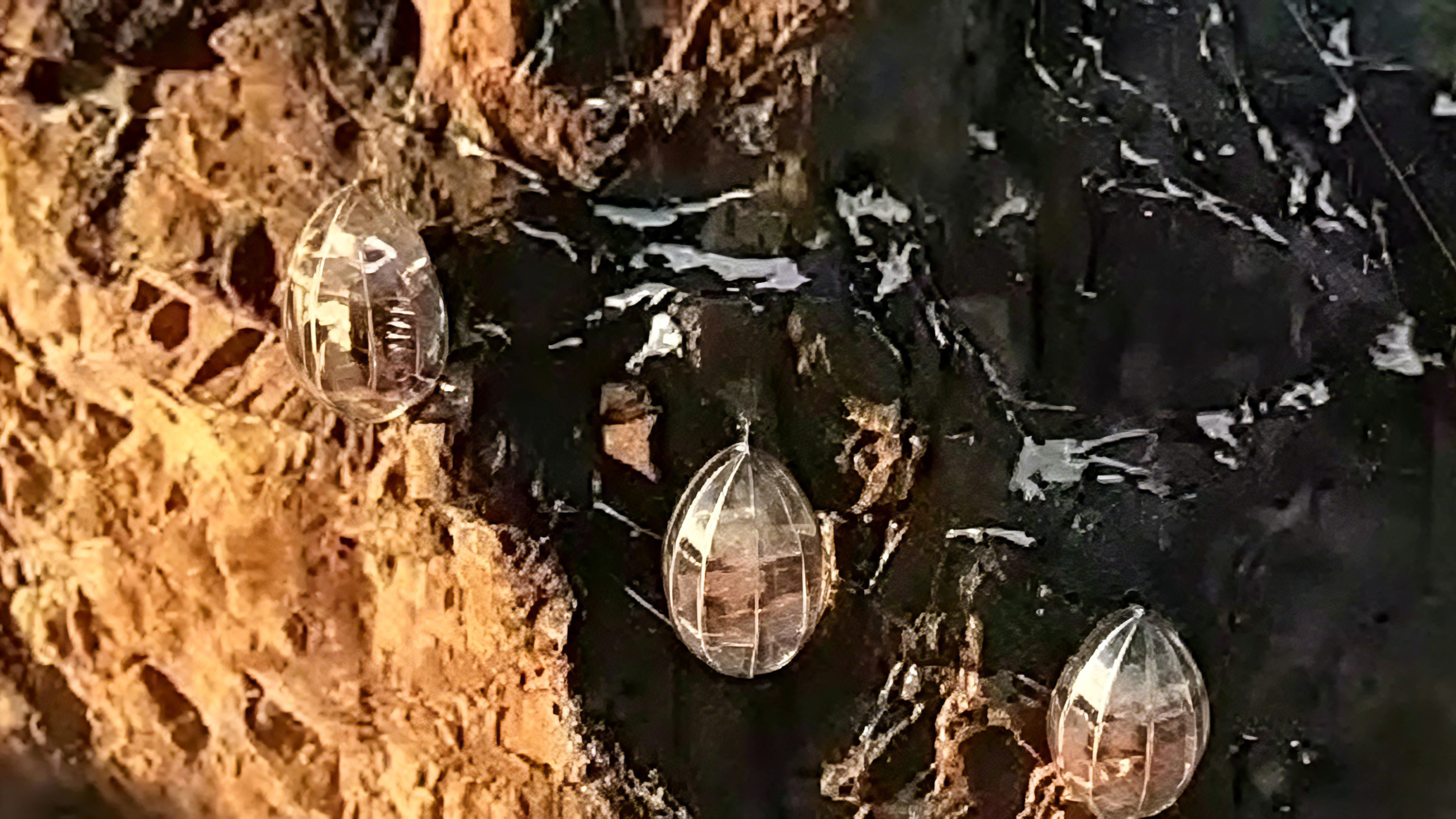
This video masters the "Hook-Conflict-Resolution" model within a very short timeframe — our shot-by-shot analysis of this exact Kara and Nate video walks the same arc beat by beat. From the opening frame, the audience is presented with an impossible visual: a transparent, glowing pod hanging over a dark abyss. This high-stakes hook immediately triggers curiosity about the "how" and "why."Furthermore, the video balances epic scale with intense relatability. Many creators show only highlights — but this video spends significant time on a travel disaster: a lost passport. This vulnerability makes the creator likable, and the eventual success of reaching the pod more rewarding. It's this blend of high-end video editing and authentic human struggle that creates a "must-watch" experience.
Try Now
1. Core Structure (Video Narrative Arc)
The narrative arc is meticulously designed to move through varying emotional beats — from awe to anxiety to cozy relief.
The Impossible Hook (0–12s)
The video starts with a literal "cliffhanger." By showing the glowing pod at night and defining Patagonia as the "bottom of the world," the creator sets an extreme tone. The map animation quickly establishes geographic stakes, making the journey feel vast and significant.Editing technique: Wide drone shot of the pod at night → map animation → quick cut to passport chaos. Three completely different visual registers in 12 seconds forces the viewer to keep watching to understand how these things connect.
The Relatable Low Point (13–21s)
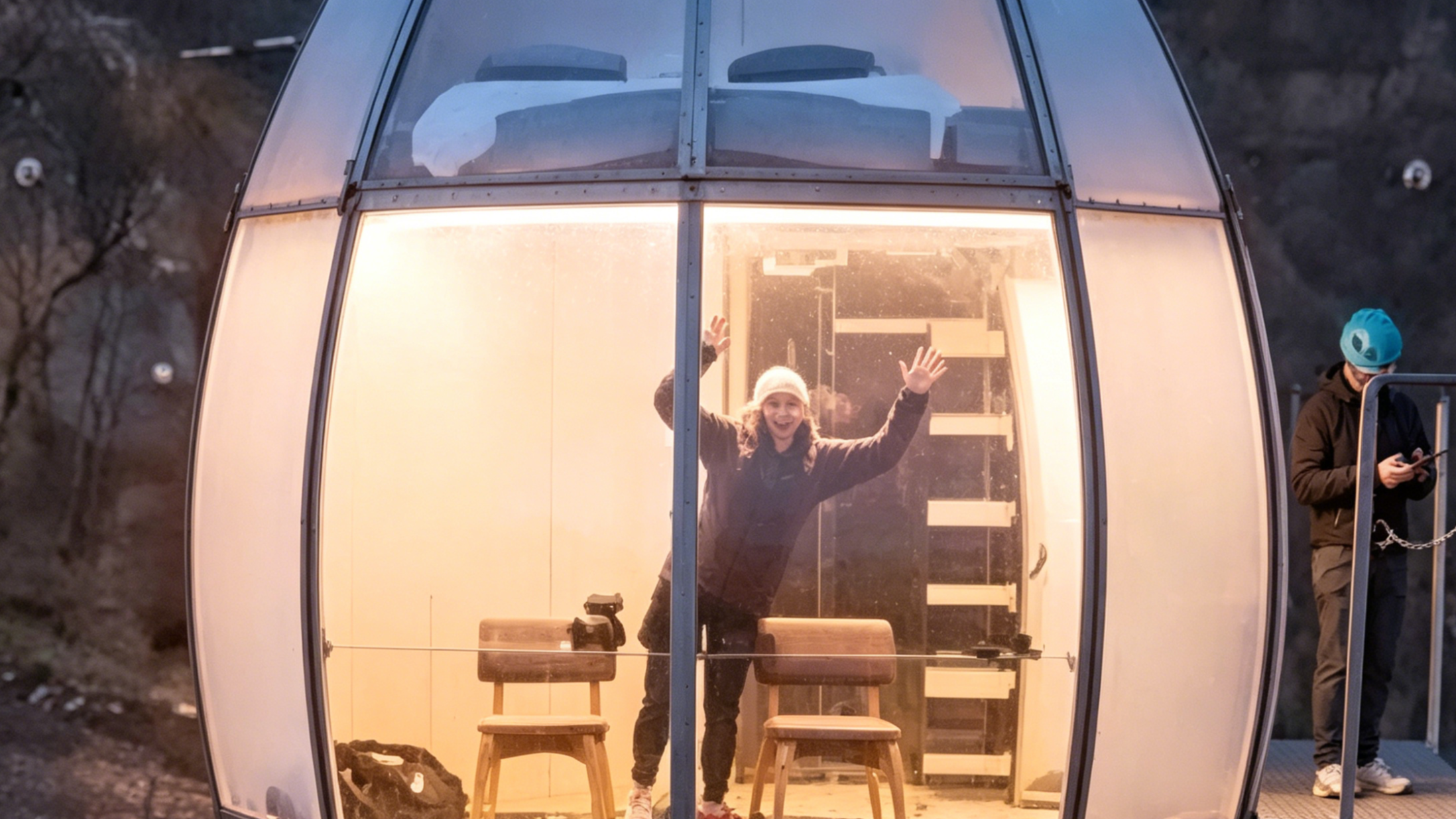
Immediately after the epic introduction, the story pivots to a stressful airport scene. Nate's lost passport serves as the "inciting incident" that threatens the entire adventure. Fast-paced cuts and humorous text overlays keep the mood light despite the high stress.Editing technique: The tonal whiplash is intentional — dropping from cinematic beauty to comedic chaos resets viewer expectations and deepens engagement.
The Transitional Journey (22–40s)
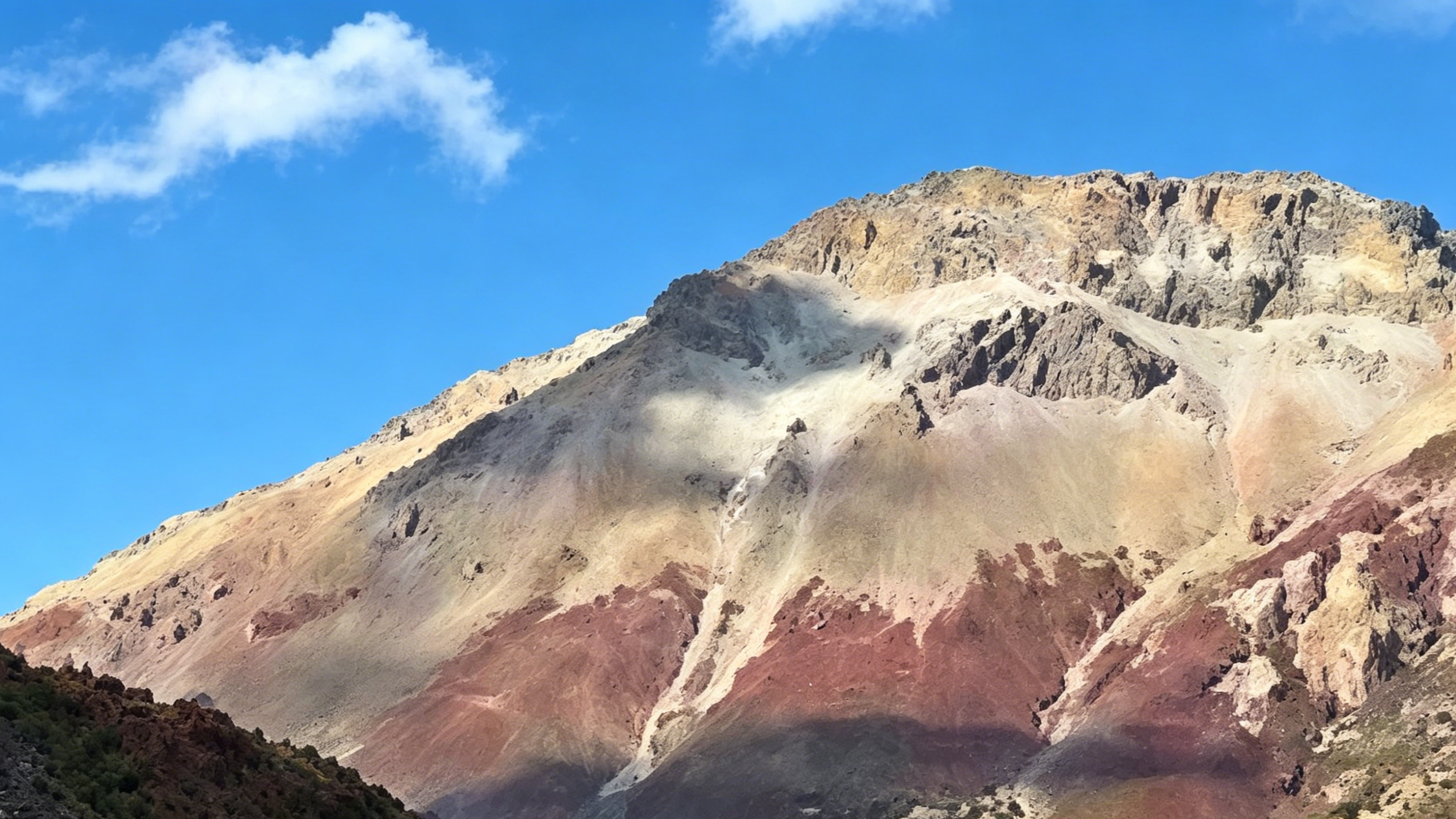
Once the conflict is resolved, the pace shifts to a montage of the final leg: a Mercedes van, turquoise rivers, a suspension bridge. A "mini-payoff" — the glass-walled mountain shower — prepares the viewer for the main event.Editing technique: Shorter cuts timed to driving music. Each shot reveals a new layer of remoteness, slowly building anticipation.
The Vertical Challenge (41–50s)
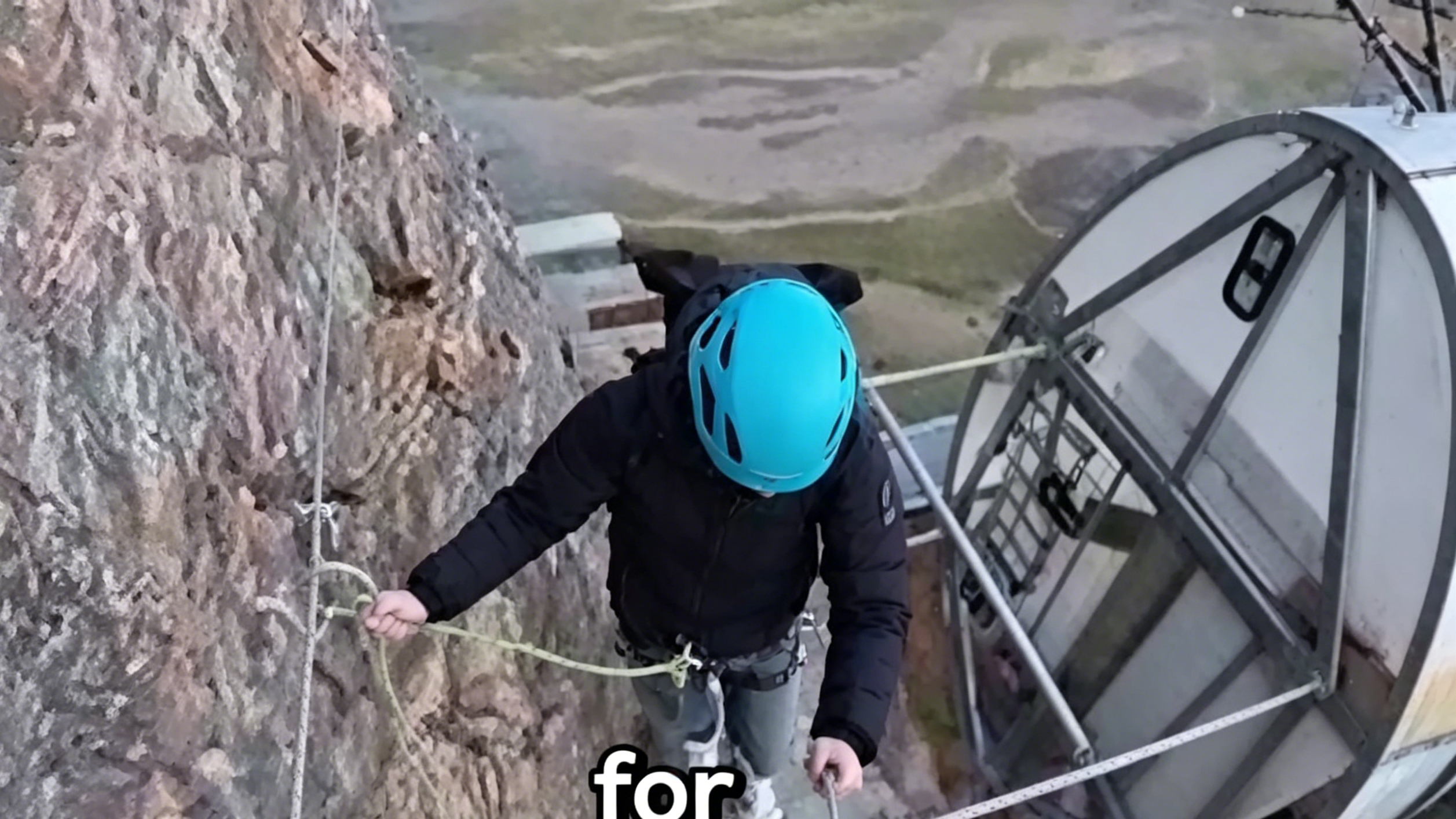
The climax of the physical journey: a via ferrata descent. Action cameras and drone shots emphasize the 1,000-foot drop. Switching from "traveling" to "climbing" makes the hotel stay feel earned rather than purchased.Editing technique: POV head-cam switches mid-sequence. The sudden first-person perspective forces the viewer into the danger.
The Internal Revelation (51–64s)
A detailed tour of the pod's three levels answers the viewer's unspoken logistical questions (the hidden bathroom, the net floor) while maintaining the "wow" factor.Editing technique: Slower pacing, more lingering shots. After the intensity of the climb, a quiet interior tour provides breathing room before the final act.
The Sensory Payoff (65–88s)
The final segment focuses on the experience inside the pod during extreme weather. A wine glass shaking from 100km/h winds provides tangible proof of the elements. It concludes with a quiet, foggy morning — leaving the audience asking: "Was it worth it?"Editing technique: Time-lapse of weather + intimate handheld morning footage. The contrast between violence of wind and peace of morning coffee is the emotional resolution.
2. High-Stakes Visual Storytelling
The "Show, Don't Tell" Physics
One of the most effective techniques: communicating environmental conditions without narration. During the night scene, a glass of wine illustrates the 100km/h wind gusts. Instead of just saying it was windy, the wine tilting inside the glass provides undeniable proof of the structure's movement. This creates a visceral sense of anxiety that heightens the drama.Key rule: Find a physical object that proves an invisible condition — wind, cold, height, heat. The camera can't film fear, but it can film a shaking wine glass.
Architectural Scale and Lighting
Lighting transitions define the mood of different "chapters." The opening uses dusk and interior glowing lights for a futuristic aesthetic. Contrast this with bright natural morning light or harsh midday sun during the climb. Drone shots that show the tiny pod against a massive cliff face master the sense of scale — making the architecture look both fragile and heroic.
3. Kinetic Narrative Pacing
Map Animations as Navigational Anchors
For a complex journey involving multiple flights and long drives, travel vlogs often lose viewers in logistics. This creator solves the problem with high-quality map animations that act as "reset" buttons — the type of repeatable technique you can lift wholesale when you copy video editing style from a reference. This keeps logistics from becoming boring while ensuring the audience understands the physical distance traveled.Takeaway: Every time your story jumps continents or time zones, use a visual transition (map, title card, time-lapse) to re-anchor the viewer.
First-Person Action Integration
The transition from vlog to action-heavy descent uses seamless POV shots. By switching to a head-mounted camera during the via ferrata, the creator puts viewers in their shoes — seeing the steel ladders and sheer drop beneath their feet. This sudden perspective shift breaks the monotony of a traditional tour and forces the viewer to engage with the physical danger.
4. The Conflict-Resolution Engine
Great adventure content follows a simple formula: Promise → Obstacle → Triumph. This video executes it twice:Layer 1 (Macro): Promise (we're going to sleep on a cliff in Patagonia) → Obstacle (lost passport, could cancel the whole trip) → Triumph (we made it)Layer 2 (Micro): Promise (we're going to sleep here) → Obstacle (you have to descend 1,000 feet via ferrata to get to it) → Triumph (cozy wine and coffee inside while wind rages outside)Key insight: Stack your conflict layers. One obstacle keeps the viewer watching. Two obstacles — one logistical, one physical — makes the payoff feel like a genuine achievement.
How to Replicate: Full Checklist
| What to Replicate | Reference Video | How Sparki Replicate |
|---|---|---|
| Hook | Glowing pod suspended on a dark cliff face — first frame is the most impossible visual in the whole video | Open with your most visually extreme frame, not your establishing shot |
| Pacing | Slow opening drone → fast airport chaos → montage journey → POV climb → calm interior | Vary pace intentionally across 5–6 distinct emotional acts |
| Music Choice | Cinematic orchestral swell on reveal, upbeat track during travel montage, ambient sound during interior tour | Match music energy to narrative act — don't use one track throughout |
| Visual Mood | Night exterior glow → harsh midday sun → cozy warm interior light | Use lighting as a chapter marker — each act should feel visually distinct |
| Story Arc | Promise (epic) → Obstacle (passport disaster) → Journey → Physical challenge → Payoff (cozy pod) | Build two conflict layers: one logistical, one physical |
| Viral Moments | Wine glass shaking from 100km/h winds — invisible force made visible | Find a physical object that proves an invisible condition (cold, wind, height) |
| Emotional Anchor | "Was it worth it?" left unanswered in final shot | End with an open question, not a conclusion — let viewers decide |
https://sparki.io/blog/how-to-master-adventure-content-creation-like-karaandnate