
Edit Like Kara and Nate: The Hook-Conflict Adventure Travel Short
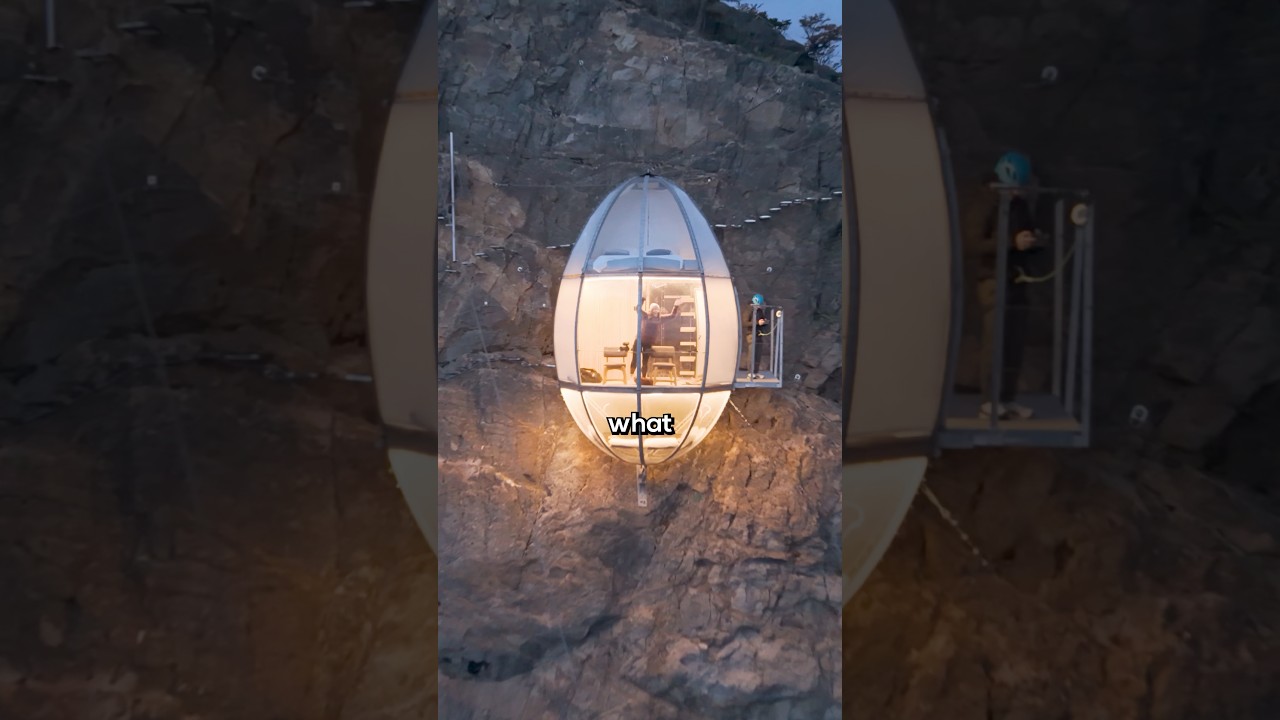
A glowing transparent pod suspended on a Patagonian cliff at night, a passport crisis at the airport, and a 1000-foot via ferrata descent — three conflicts stacked in 88 seconds to keep the viewer locked from the first impossible frame to the last.
4.47M
Subscribers
YouTube Shorts
Platform
~88 sec
Avg Length
Adventure Travel
Primary Format
The Signature Video
Sleeping in a glass pod on a Patagonia cliff
Published May 9, 2026 · 88 seconds
1,383,040
Views
24,027
Likes
655
Comments
Why This Style Is Worth Cloning
This video works because it opens with the most visually impossible frame first — a glowing transparent pod suspended on a dark Patagonian cliff at night. No establishing context, no travel intro, no creator introduction. The viewer has no frame of reference for what they are looking at, which forces them to keep watching. Most travel creators open with their face or their flight — Kara and Nate open with the single most extreme visual in the entire story. That decision alone is worth two minutes of viewing time.
The second strength is dual-conflict stacking: a macro conflict (passport crisis threatening the entire trip) layered on top of a physical conflict (via ferrata descent 1000 feet above the valley floor). Each conflict is introduced just as the previous one is resolved, maintaining continuous narrative tension. The video never gives the viewer a moment where there is nothing at stake — which is why the 88-second runtime feels like 30 seconds.
The Editing Recipe, Second By Second
The 88-second clip compresses a multi-day Patagonian adventure into six emotionally distinct phases, each with its own visual language and tension arc.
- 0:00 – 0:12
Act 1 — The Impossible Opener
The video opens immediately on the most visually extreme element: a glowing transparent pod suspended on a dark cliff face at night, followed by a map animation locating the viewer in Patagonia. No face, no title card, no introduction — pure visual impact in the first frame.
Editing technique: Extreme-visual-first opener, 3-style rapid preview
- 0:13 – 0:21
Act 2 — The Empathy Drop
The tone pivots from cinematic beauty to comedy chaos: a passport crisis at the airport, rendered with humorous text overlays. The deliberate emotional contrast — from epic drone footage to slapstick travel disaster — resets the viewer's expectations and makes the creator relatable.
Editing technique: Tonal contrast drop, comedy-as-structure
- 0:22 – 0:40
Act 3 — The Journey Montage
A Mercedes van, emerald rivers, a suspension bridge, and a glass mountain-view shower prime the viewer for what is coming. Each cut reveals a deeper sense of remoteness — the location becomes progressively more extreme as the montage moves deeper into the landscape.
Editing technique: Escalating remoteness montage, music-pace match
- 0:41 – 0:50
Act 4 — The Vertical Challenge
Via ferrata descent — 1000 feet of exposed climbing above the valley floor. A sudden switch to POV helmet camera places the viewer inside the physical danger. The first-person perspective is the most immersive tool in adventure travel editing: it removes the barrier between the viewer and the experience.
Editing technique: Surprise POV cut, physical danger immersion
- 0:51 – 0:64
Act 5 — The Pod Reveal
The transparent pod's three-layer architecture is revealed: hidden bathroom, mesh floor, panoramic glass walls. After the physical danger of the via ferrata, the comfortable pod interior provides emotional decompression — a structural rest beat after peak tension.
Editing technique: Earned interior reveal, pacing slowdown reward
- 0:65 – 0:88
Act 6 — The Sensory Resolution
A wine glass shaking violently in 100km/h Patagonian wind is not described — it is shown. The wine glass is more effective than any voiceover saying 'the wind was extreme' because it is physical proof the viewer can verify with their own eyes. Foggy dawn coffee follows, providing emotional contrast between storm and stillness.
Editing technique: 'Show Don't Tell' physical proof, weather time-lapse close
What Makes This Style Work
Six techniques that define the Kara and Nate formula — each one engineered for retention across an audience that includes non-adventurous viewers.
Extreme-Visual-First Hook
Open with the single most visually impossible frame in the entire story — not with your face, not with an establishing shot, not with a flight takeoff. The viewer needs a reason to stay in the first 0.5 seconds. A glowing pod on a dark cliff at night provides that reason. If your most extreme visual comes later in the story, consider moving it to frame zero.
Dual-Conflict Stacking
Layer two distinct conflict types in a single Short: one macro conflict (logistics, access, planning) and one physical conflict (altitude, endurance, exposure). Each resolves into the next, maintaining continuous narrative tension. A video with only one conflict has a middle section where nothing is at stake; dual stacking eliminates that dead zone entirely.
Drone-to-POV Camera Switching
Alternate between wide-angle drone shots (establishing scale and location) and POV action camera shots (placing the viewer inside the experience). The switch between God's-eye-view and first-person creates a dynamic perspective rhythm that no single camera style can achieve alone. The POV cut should arrive without visual warning for maximum impact.
'Show Don't Tell' Physical Proof
Never narrate a condition when a physical object can demonstrate it. A wine glass shaking in 100km/h wind proves wind speed more effectively than any voiceover. Steam rising from a morning coffee proves temperature contrast. A suspension bridge swaying underfoot proves height. Choose objects that provide visible, irrefutable evidence of the experience.
Map Animation as Status Signal
A brief map animation locating the viewer in an extreme geography (Patagonia, Iceland, the Himalayas) signals remoteness instantly and primes the viewer's brain for an exceptional story. It also rewards the 5% of viewers who identify the location — those viewers feel recognized and are more likely to comment and share.
Escalating Remoteness Montage
During transition sequences, choose shots that increase the sense of remoteness with every cut — deeper forest, higher altitude, less infrastructure. Do not show shots at the same remoteness level sequentially. Each transition beat should make the viewer feel further from civilization than the last one, building anticipation for the final destination reveal.
How To Replicate This Style With Sparki
Three steps from raw travel footage to a finished Kara and Nate-style Short.
- 1
Add The Reference Short
Paste the YouTube Shorts link. Sparki reads the impossible-opener structure, dual-conflict layering, drone-to-POV switching rhythm and 'Show Don't Tell' physical proof technique as a style recipe.
- 2
Let Sparki Map The Recipe
Sparki extracts the six-act narrative arc, the escalating remoteness montage logic, the tonal contrast placement and the POV switch timing — then turns it into an editing blueprint for your own adventure footage.
- 3
Apply It To Your Footage
Upload your drone footage, action cam clips and ground-level travel shots. Sparki assembles them to the same rhythm — extreme opener, conflict drop, journey escalation, physical challenge, earned reveal, sensory close — and prepares the file for Shorts export.
More From This Channel
More Shorts that use the same hook-conflict adventure travel formula.


Who Should Copy This Style
The hook-conflict adventure formula works for any creator who has a journey with at least two distinct obstacles and a payoff visual at the end.
Adventure & Outdoor Creators
Any creator filming in extreme or remote environments can use the dual-conflict stacking structure and drone-to-POV switching to transform raw footage into a narrative-driven Short. The 'Show Don't Tell' physical proof technique removes the need for voiceover in languages your audience may not speak.
Travel Vloggers
The escalating remoteness montage and map animation work for any destination that carries geographic or cultural novelty. Even a well-traveled destination becomes story-worthy when the editing structure treats logistics as conflict and arrival as earned reward.
Experience & Review Creators
The extreme-visual-first hook and earned interior reveal structure apply to any content where the final destination is more impressive than the journey — hotel rooms, restaurants, events, venues. Open with your best visual, then reverse-engineer the story that gets the viewer there.
Kara and Nate Editing Style FAQ
Clone This Editing Style In Minutes
Drop in a Kara and Nate Short as the reference, upload your adventure and travel footage, and let Sparki assemble the six-act hook-conflict arc with drone-to-POV switching automatically.
Try Copy Style